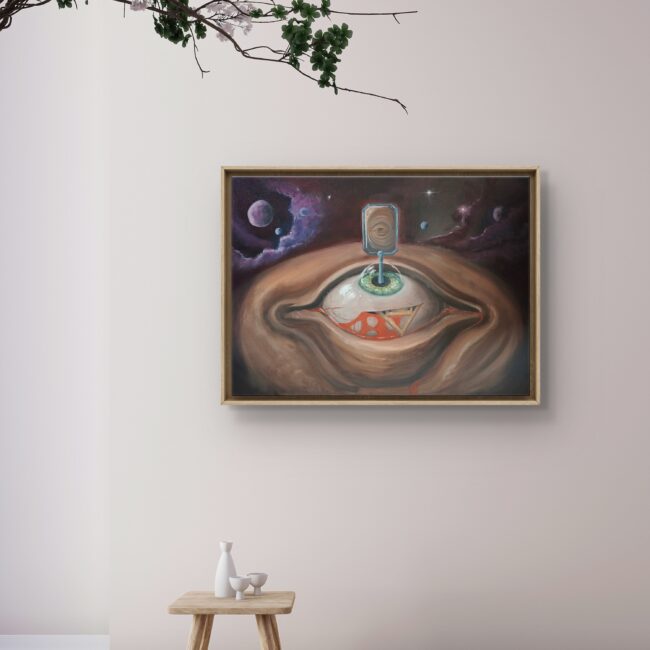
Christophe CORREIA, Artist
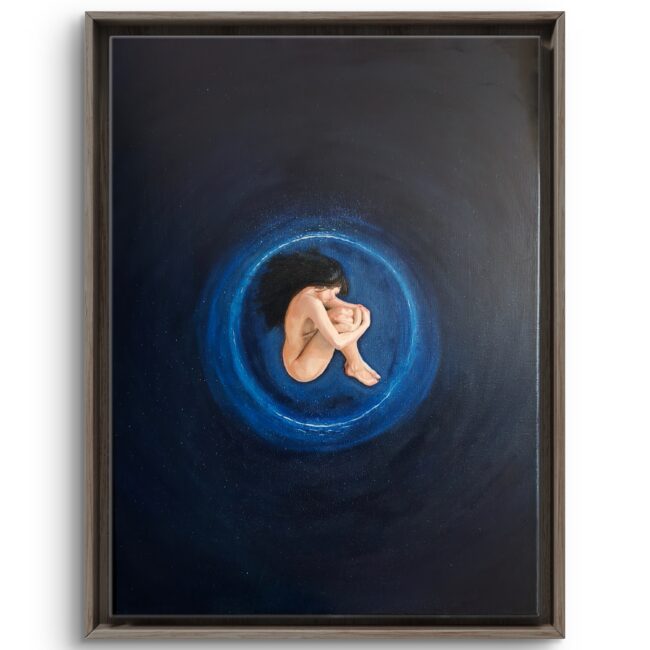
Lux in tenebris
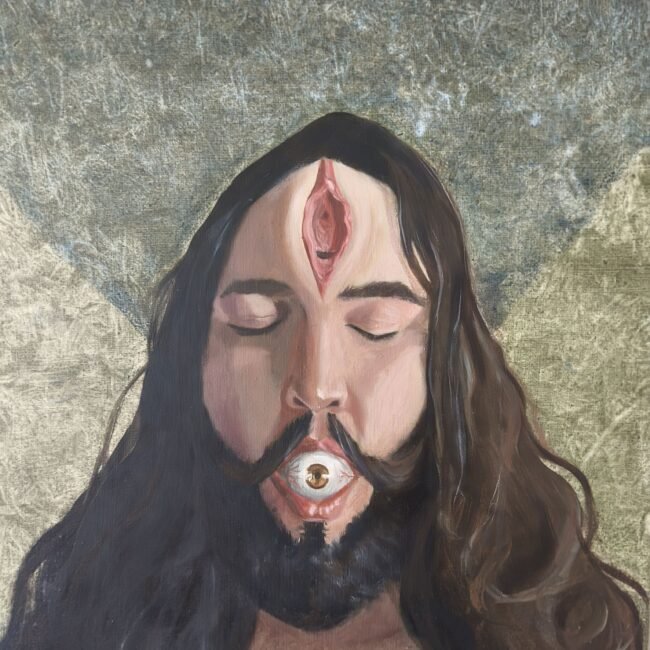
Vox videm viam
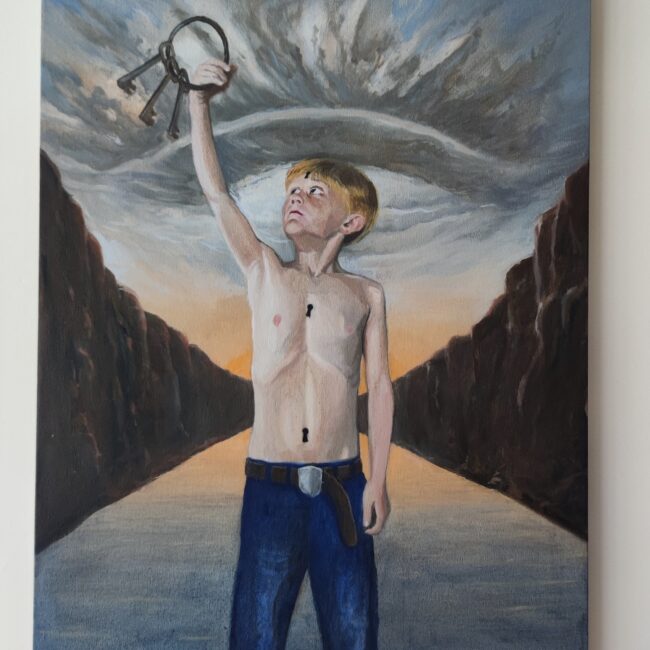
Dominus clavium
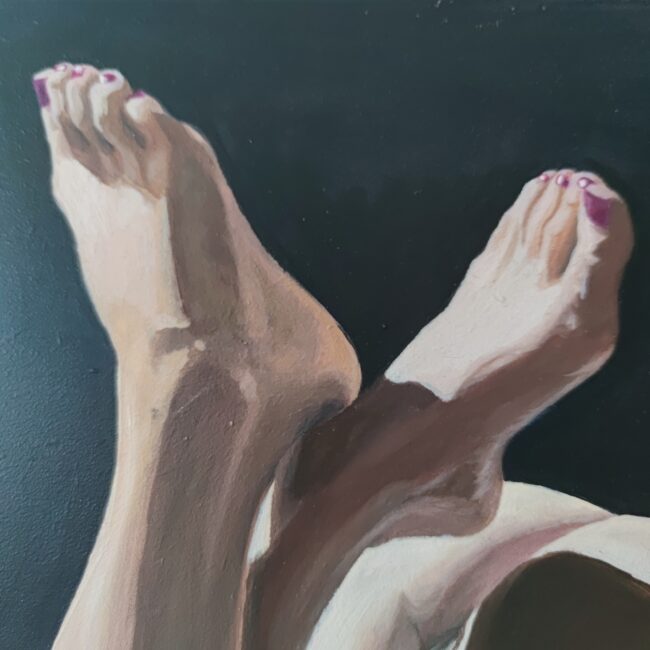
Intimately n. 2
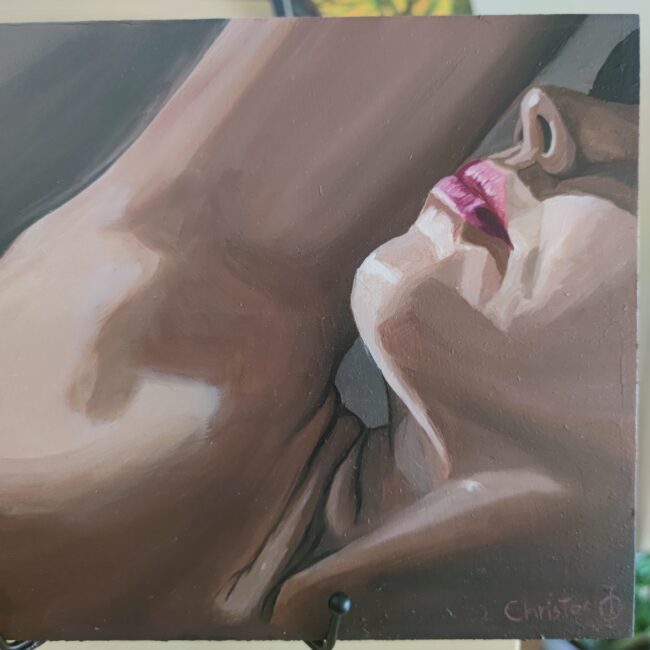
Intimately n. 1
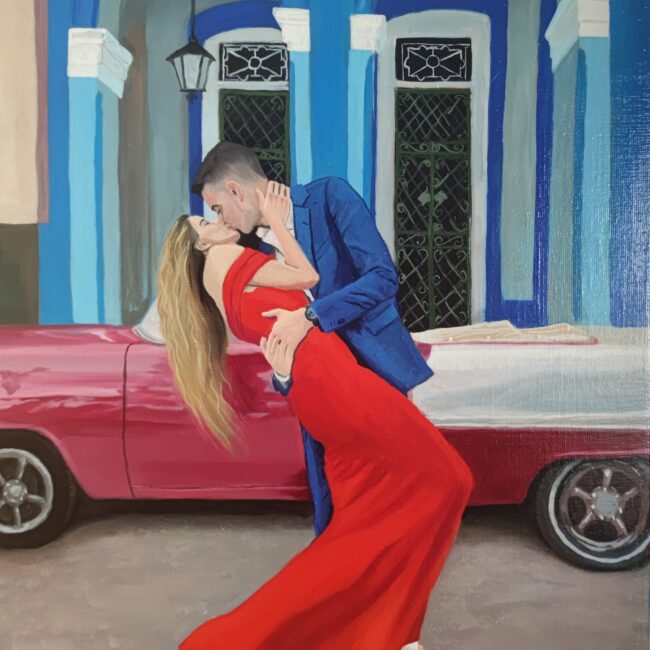
Commission 2023 - Cuba
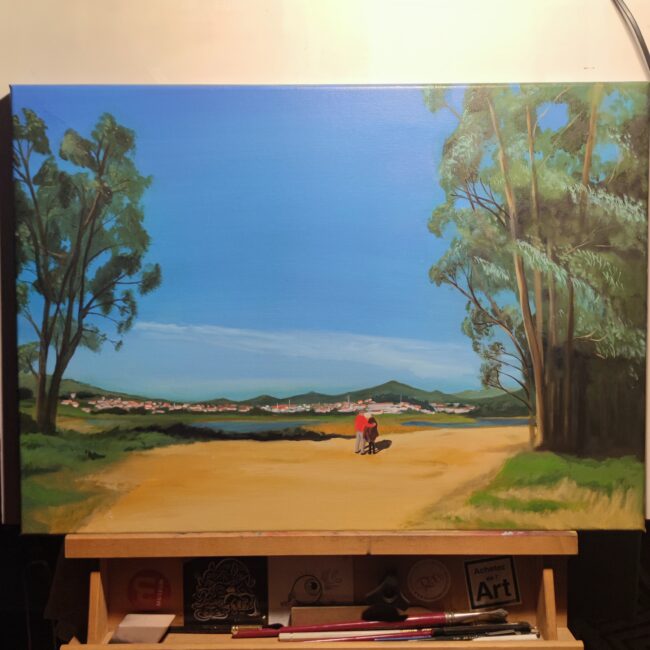
Commission 2023 - Veiga São Simão
“I no longer exist when I draw”
My being becomes one with infinity, in an ecstatic dance performed at the level of a body that only knows how to be present.
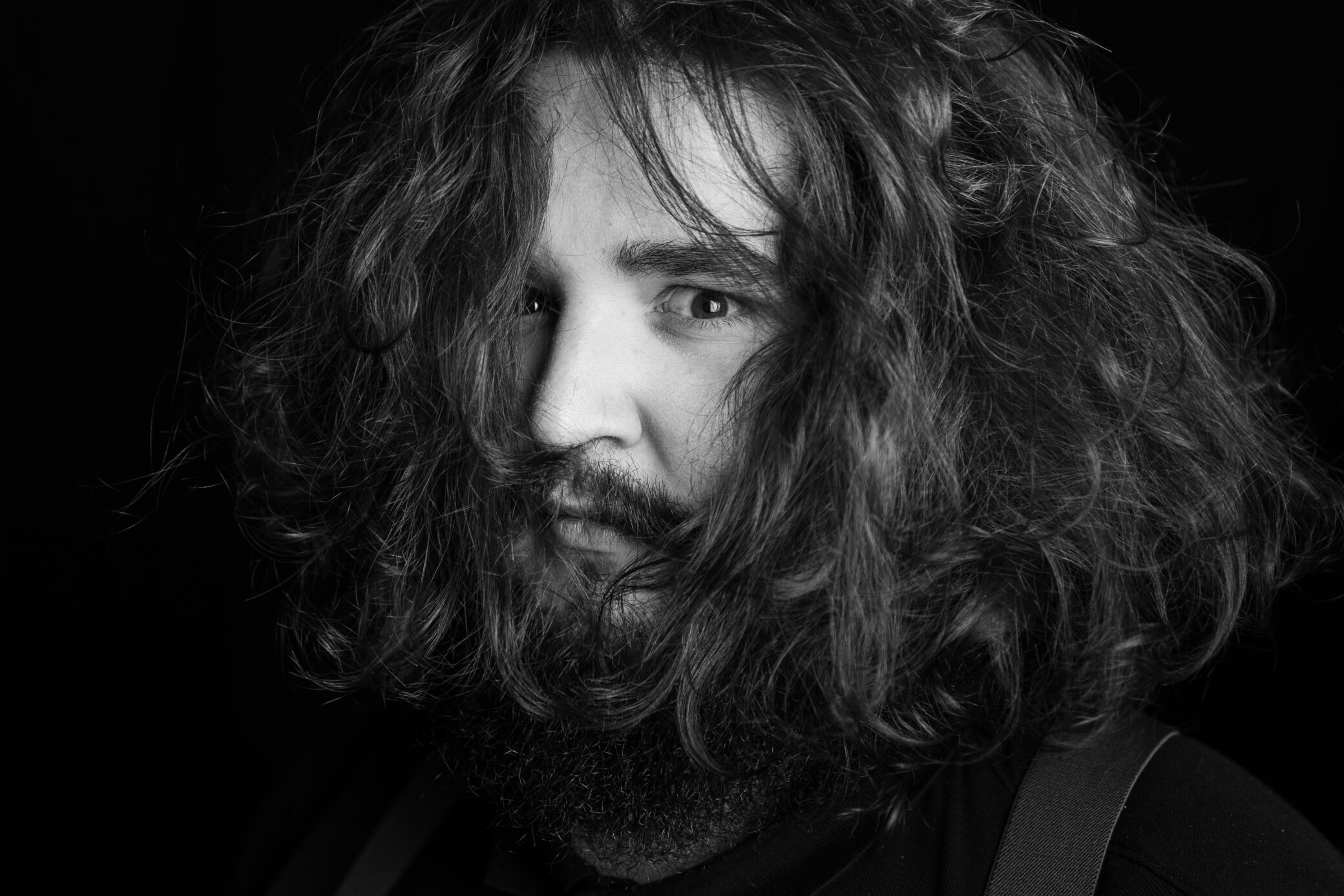
Christos phe
"I create to reveal the invisible realities of the human being.
My painting transforms reality into symbolic language in order to explore memory, emotion, identity, and transcendence.
Through figurative mastery, I seek to create a dialogue between outward appearance and psychological depths.
My work is a quest for inner truth, where each image becomes a mirror, a passage, and a transformation."
Reflections
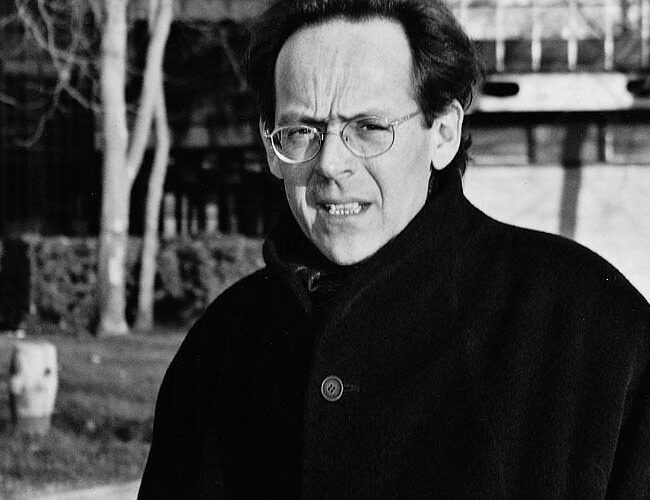
What Is Art For?
11 June 2026
Bernard Stiegler and the Constitution of the Human Through Shared Sensibility Introduction The question “What is art for?” at first appears to call for a simple, almost practical answer: art would serve to decorate the world, to entertain, to move us emotionally, or to transmit messages. Yet as soon as one tries to grasp its real scope, the question resists any utilitarian reduction. It opens instead onto a deeper, almost vertiginous field: that of how human beings constitute themselves through sensory, symbolic, and collective experiences. It is in this perspective that the thought of Bernard Stiegler becomes essential. For him, art cannot be understood as just another cultural object. It is a condition for the very constitution of the human being, as a being capable of sensibility, attention, memory, and projection into time. Thus, the problem can be formulated as follows: if art cannot be reduced to entertainment or social function, in what sense does it participate in the constitution
Know more
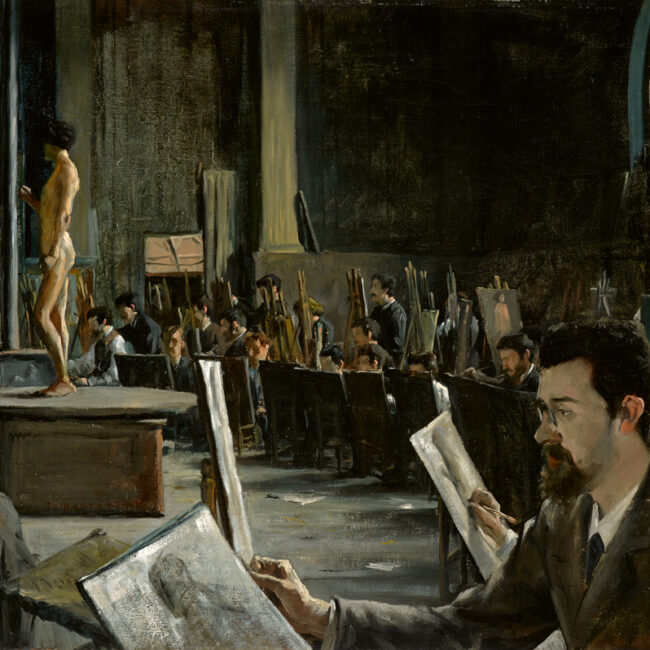
Art encompasses everything that humans create and express. Art is, in essence, human expression itself.
2 October 2025
Since the dawn of time, humankind has traced signs. In the Chauvet Cave, more than thirty thousand years ago, a hand pressed itself against the wall to leave a pigment imprint. Was it a ritual gesture, a mark of possession, an attempt to depict the animal world that surrounded it? We will never know, but one thing is certain: already there was the desire to express. That first gesture, fragile and monumental at once, tells us that art begins where humanity seeks to make visible what it feels. For a long time, art was considered an imitation of reality. To carve a Greek god in marble, to paint the light of a Tuscan landscape—this was to copy the world in order to grasp its essence. Yet modernity revealed that art was far more than faithful representation. Kandinsky painted abstract canvases to give form to the music he heard, Pollock flung paint onto canvas to inscribe his own gesture, Yves Klein
Know more
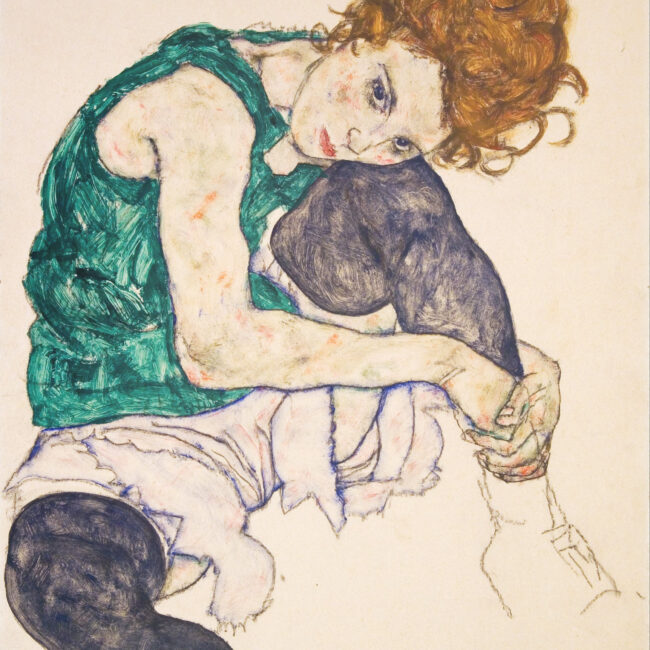
Poetry... How does it move our emotions?
3 May 2023
Poetry has the ability to move our emotions because it can communicate ideas and feelings in a very expressive and emotional way. It can allow us to see the world from a different perspective, open up new horizons, and connect us to common experiences that we all share as human beings. It can express complex emotions that we struggle to express ourselves, or reflect our own experiences poetically, which can help us better understand and deal with them. In a more general sense, poetry is a literary genre that uses words to express emotions, ideas, images, and sensations in an aesthetic and imaginative way. It can take many forms, such as free verse, sonnets, ballads, haikus, prose poems, and many more. It often uses literary techniques such as rhyme, meter, alliteration, assonance, and metaphor to create striking sound effects and images. It can also play with structure, punctuation, and typography to reinforce the meaning and emotion of the poem. Often
Know more
@christophecorreia.artist
Support me with a donation